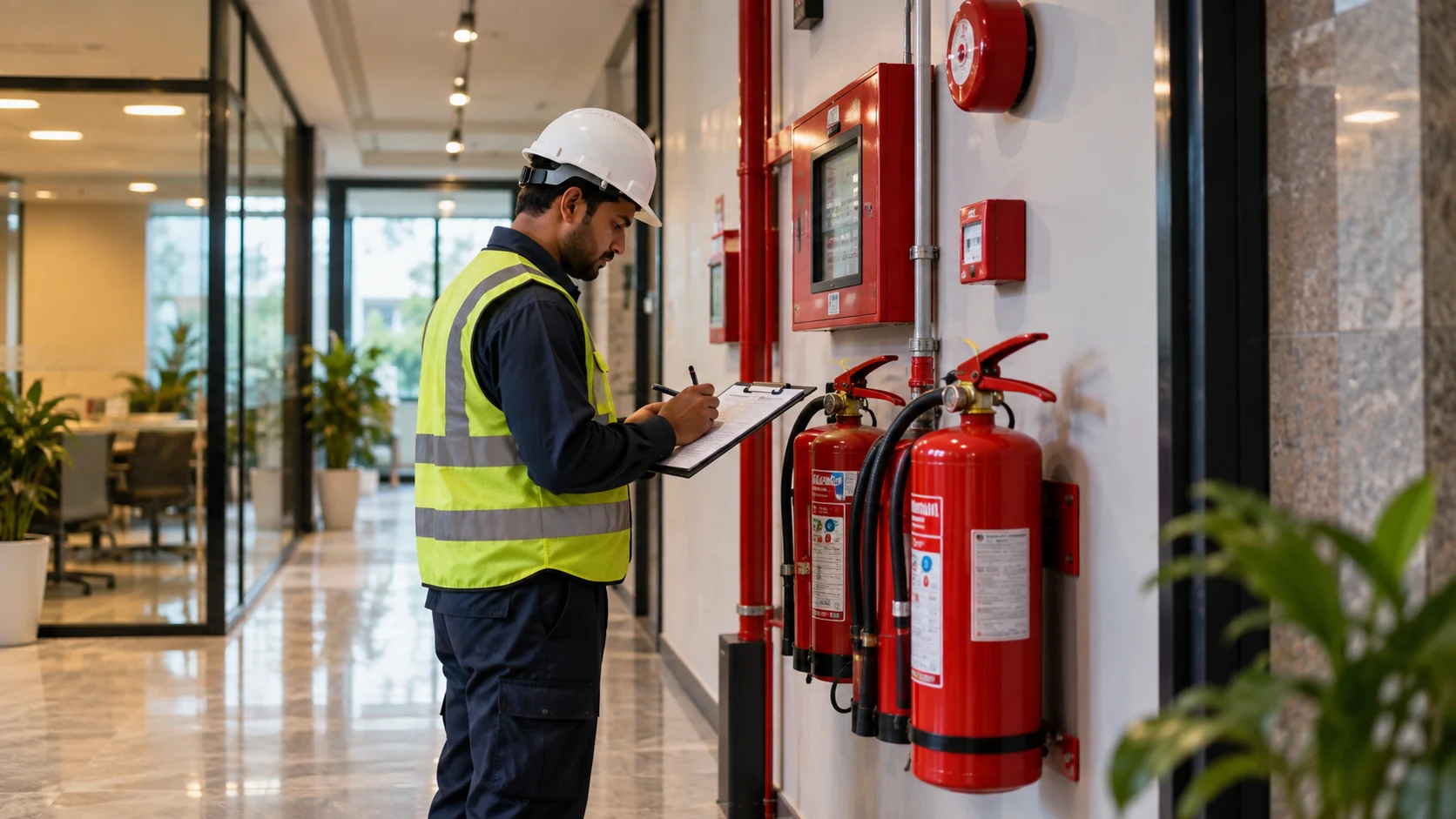
See the product.
Open the full guide.
The main page stays clean. Detailed technical explanations are moved to dedicated product pages so a customer can learn only what they actually need.
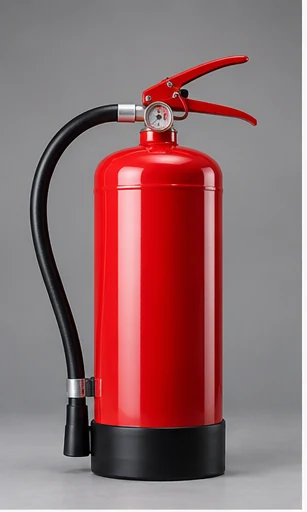
Portable Fire Extinguishers
Portable first-response units selected around the fire hazard and environment.
View product guide ↗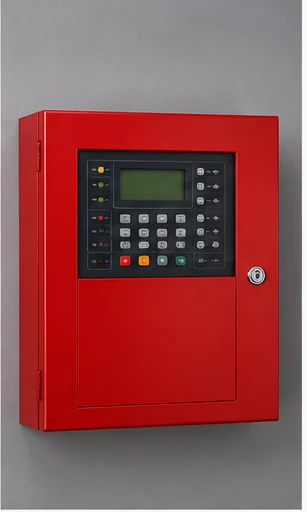
Fire Alarm Control Panel
The central controller that supervises detectors, call points, sounders and faults.
View product guide ↗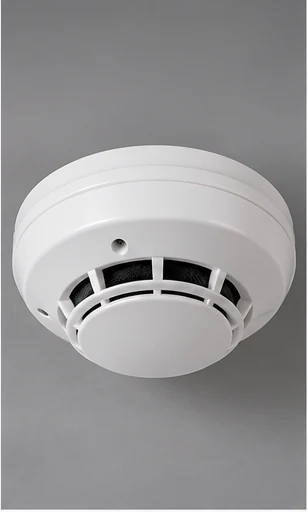
Smoke, Heat & Beam Detection
Automatic sensing selected to detect smoke, heat or fire signatures in the right environment.
View product guide ↗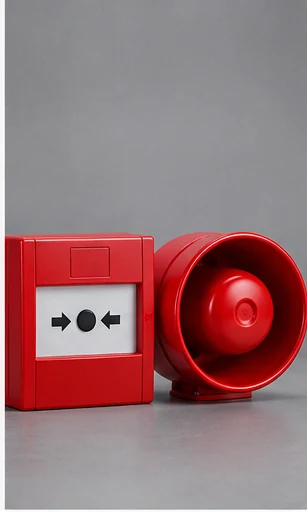
Manual Call Points & Sounders
Lets occupants raise an alarm and provides audible / visual warning for evacuation.
View product guide ↗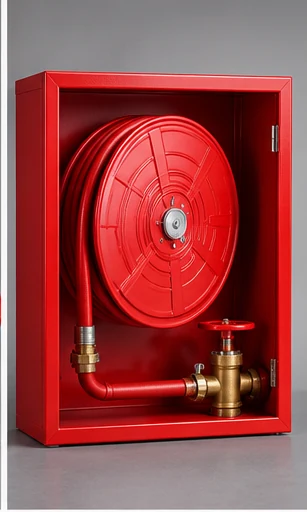
Hydrant & Hose Reel System
A fixed firefighting water network for trained first response and fire-service use.
View product guide ↗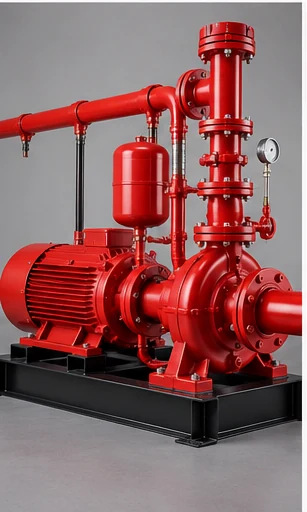
Fire Pumps & Pump Controllers
Dedicated pumps that maintain the required fire-system water pressure and flow.
View product guide ↗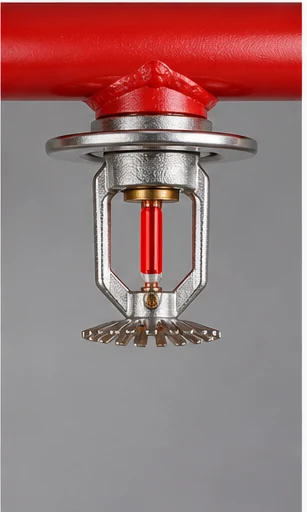
Automatic Sprinkler System
Heat-operated sprinkler heads automatically discharge water in the affected fire area.
View product guide ↗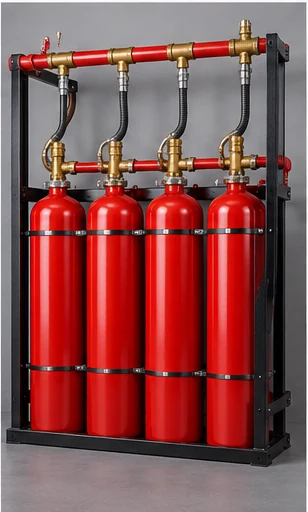
Clean-Agent / Gaseous Suppression
Engineered suppression for protected rooms where water or residue may be undesirable.
View product guide ↗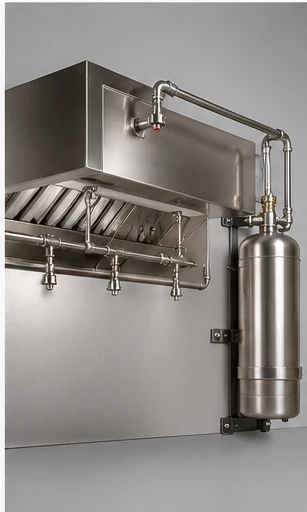
Kitchen Wet-Chemical Suppression
Automatic protection for cooking appliances, hoods and ducts exposed to hot-oil fire risk.
View product guide ↗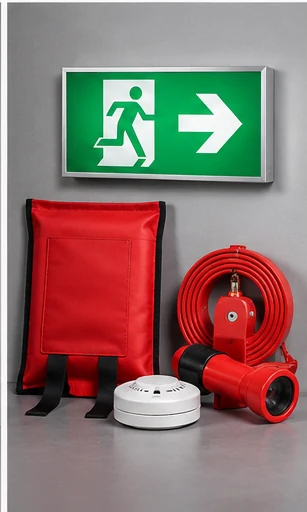
Life Safety, Signage & Passive Protection
Products that help people find exits, protect escape routes and support emergency response.
View product guide ↗Buying equipment is only one layer.
Readiness comes from the lifecycle.
These service pages explain how you support new installations, keep existing systems ready and reduce preventable fire risk.
Fire Detection & Suppression Installation
Site understanding, product selection, design basis, supply, installation coordination, testing and handover.
AMC, Testing & Retrofit
Why AMC matters, what gets tested, how faults are documented and how old / non-working systems are brought back to readiness.
Electrical Safety Audit
Electrical overheating, loose connections, overloaded circuits and poor housekeeping can become ignition sources. The audit explains the risk before failure becomes fire.
Fire Safety Audit
Turn “we have equipment” into a documented view of what works, what is missing and what needs urgent correction.
Tell us the premises and risk.
We’ll help identify the right starting point.
Share city, premises type, approximate area, occupancy and whether the fire system is new or existing. Final technical selection and statutory compliance remain subject to the approved design, applicable standards and competent authority requirements.